
Beaufort County Clerk Contact
North Carolina uses a unified Clerk of Superior Court system for local court records. Beaufort County's clerk office is part of the North Carolina Judicial Branch. The current clerk name was not located in the official Judicial Branch county sources reviewed, so the office should be cited by title rather than by an unverified elected clerk name. The clerk's published phone number is the courthouse main number, (252) 940-4000.
The Clerk of Superior Court serves as court record keeper for Superior Court and District Court and also acts as probate judge for estates and many special proceedings. Assistant clerks may conduct most estate hearings. The clerk is not the Register of Deeds, not the Sheriff's Office, not NC Vital Records, and not a legal-document drafting service.
Beaufort County Clerk of Superior Court
Beaufort County Courthouse
112 W Second St
Washington, NC 27889
Mailing: PO Box 1403, Washington, NC 27889
(252) 940-4000
Monday-Friday, 8:00 AM-5:00 PM
Beaufort County Clerk Duties
The clerk handles the court record once a case exists in the General Court of Justice. Local clerk records include criminal, civil, special proceedings, estates, divorces, judgments, liens, foreclosures, evictions, partitions, condemnations, and files for both Superior Court and District Court. Public self-service terminals in clerk offices can be used for civil, special proceeding, and estate case information, while the actual court file can be viewed by visiting the clerk's office in the county where the case is located.
- Maintain Superior Court and District Court case files for Beaufort County.
- Provide plain and certified copies of court-file documents for required fees.
- Receive eligible payments through the courthouse cashier and mail payment process.
- Act as probate judge for estates and many clerk-handled special proceedings.
- Support public terminals and clerk file inspection for records not complete online.
The Chapter 132 public records statute index supplies the broad North Carolina public-records law backdrop.
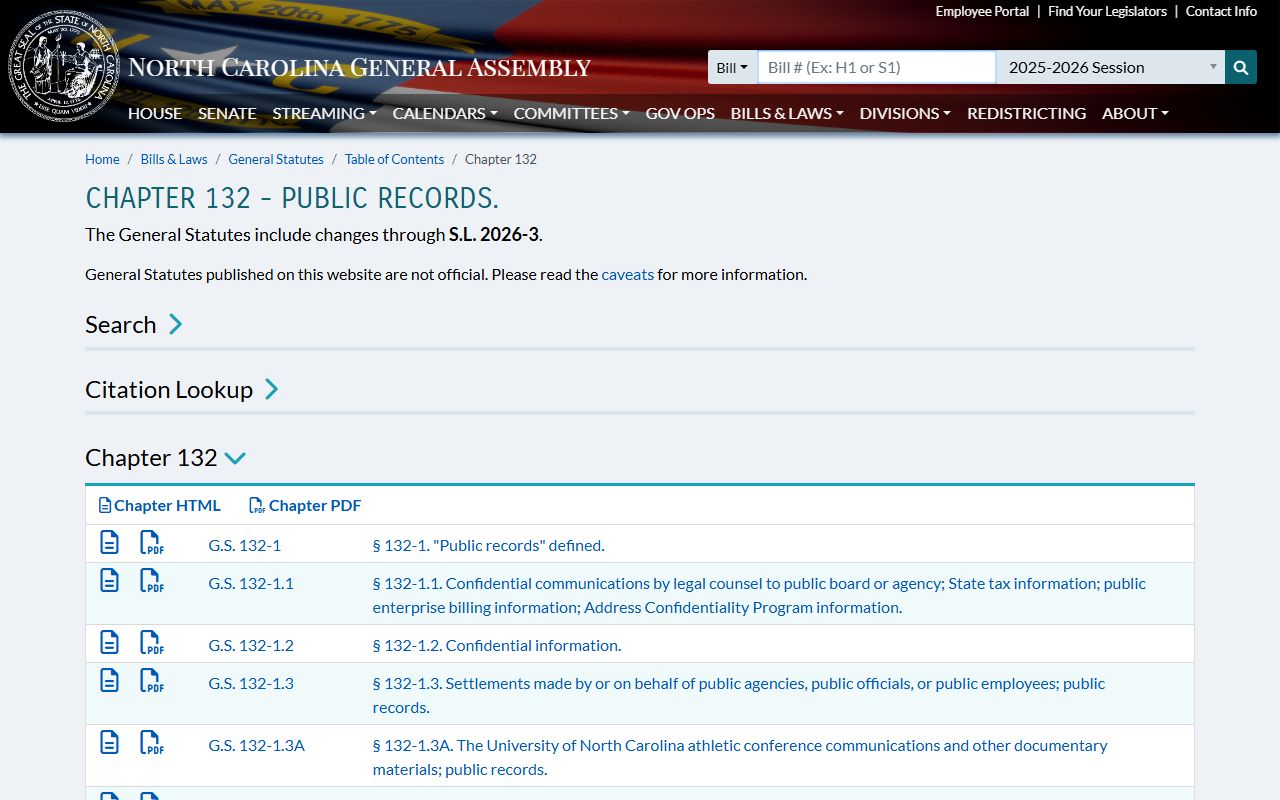
Public-records law supports access, but court records still follow Judicial Branch custody, certification, confidentiality, and technology rules.
Beaufort Clerk Records Access
Online access and clerk access are related, but they are not the same thing. NC eCourts Portal provides public case information, court dates, and payments. File & Serve supports eFiling where available, Guide & File helps prepare documents, and the Remote Public Access Program provides licensed statewide criminal and civil data. The clerk office remains the source for full files, older records, certified copies, divorce judgments, estates, and paper-file inspection.
| Access channel | Use it for | Beaufort County note |
|---|---|---|
| NC eCourts Portal | Case information, dates, eligible payments | Search by name, case number, citation number, and county where supported. |
| Clerk office | Full files, older records, certified copies | Visit the courthouse in Washington during business hours. |
| Eligible payments and copy requests | Use PO Box 1403 and follow payment restrictions. | |
| Public-record request service | Judicial Branch administrative records | Not a universal case-file request form. |
| Remote Public Access | Licensed statewide data access | Separate from a one-off public portal search. |
Request Beaufort Certified Copies
Certified copies are needed when the document must prove an official court action. Divorce judgments, estate letters, judgments, orders, and other filed case documents often need certification for banks, agencies, later court cases, title work, or personal legal use. A printed online result is not the same as a certified copy from the Clerk of Superior Court.
- Identify the Beaufort County case number if available, or gather party names, case type, and approximate filing date.
- Search NC eCourts Portal first when public case information can narrow the request.
- Contact or visit the Clerk of Superior Court to confirm the document is in the file and whether it can be copied.
- Pay the required copy and certification fee using an accepted payment method.
- Ask whether pickup, mail return, or another clerk-approved delivery method is available.
Note: Certified copies and exemplified copies carry fees, so confirm the current cost before mailing payment.
Clerk Records Request Fields
The Judicial Branch public-record request service routes people to the correct custodian, but court case files themselves usually go through Portal or the county clerk. A useful Beaufort County clerk records request should include enough detail for staff to identify the file and the exact document needed.
| Field / input | Required | Notes |
|---|---|---|
| Record type | Yes | Case file, divorce judgment, estate file, certified copy, payment, or administrative record. |
| Case number | Recommended | Use the exact file number when known. |
| Party names | Yes when no case number | Include full names and role if known. |
| County | Yes | Select or state Beaufort County to avoid statewide false matches. |
| Document type | Yes | Judgment, order, letters, inventory, motion, disposition, or other filing. |
| Copy type | Yes | Plain, certified, exemplified, or file inspection. |
Beaufort Clerk Fees and Payments
Beaufort County's official payment page is specific about payment methods. Mail payments must be money order or certified check only, with no cash and no personal checks. In-person payments at the courthouse Cashier's Office may be made by cash, credit or debit card with processing fees, money order, or certified check. Personal checks are not accepted in person either. Online payments use credit or debit card with processing fees when the case or citation is eligible.
| Item | Amount / rule | Source note |
|---|---|---|
| Court record copies | Fee required. Check current cost PDFs or clerk | Clerks charge per-page and miscellaneous copy fees. |
| Certified or exemplified copies | Fee required. Confirm current charge | Current Court Costs publications include clerk fees. |
| Estate administration filing | $120 filing fee | Bring application/preliminary inventory to begin formal estate administration. |
| Mail payment | Money order or certified check only | No cash and no personal checks. |
| In-person payment | Cash, card plus fees, money order, certified check | No personal checks at the Cashier's Office. |
| Online payment | Credit/debit card plus processing fees if eligible | Eligibility depends on the case or citation. |
Beaufort Court Records Law
North Carolina public-records law broadly covers documentary material made or received in connection with public business. Court records also operate under Judicial Branch rules and statutory court-data provisions. Remote Public Access is tied to authority cited by the Judicial Branch, including G.S. 7A-109 and G.S. 7A-343.2. Juvenile records, adoption files, sealed records, expunged records, protected personal identifiers, and some mental health or guardianship material are not ordinary public records.
The Chapter 132 statutory text defines North Carolina public records in broad terms.
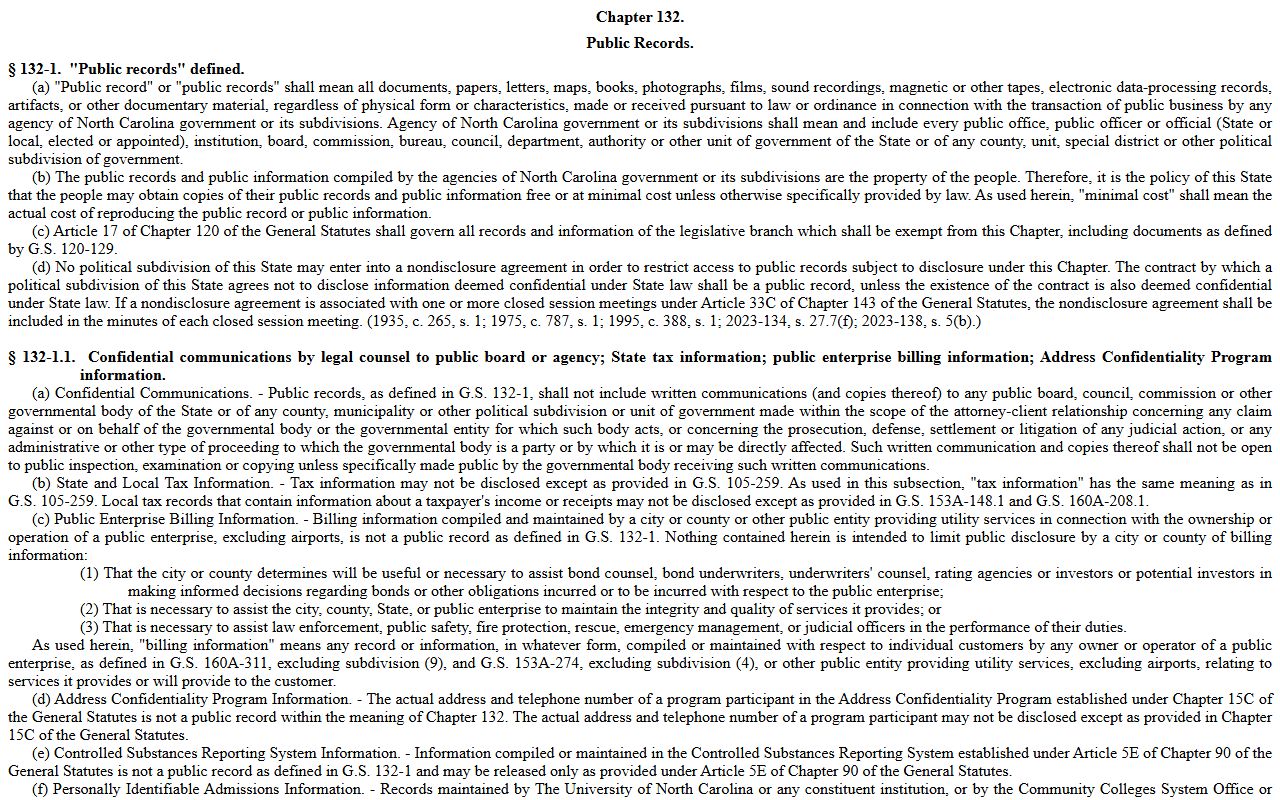
That law is important, but it does not remove separate court confidentiality rules or vital-record eligibility rules.
Records the Clerk Does Not Hold
The Clerk of Superior Court is not the right office for every Beaufort County public record. Marriage licenses and certified marriage copies start with the Register of Deeds or vital-record channels. Birth and death certificates are vital records. Deeds, real estate instruments, and Register of Deeds index records are not court case files. Police reports and jail booking records belong with law enforcement unless they later appear as part of a filed court case. A person looking for a marriage license should use the Beaufort County marriage and divorce records path instead of asking the clerk for a marriage-license file.
The Chapter 51 marriage statute index supports the register-of-deeds role in marriage licensing.
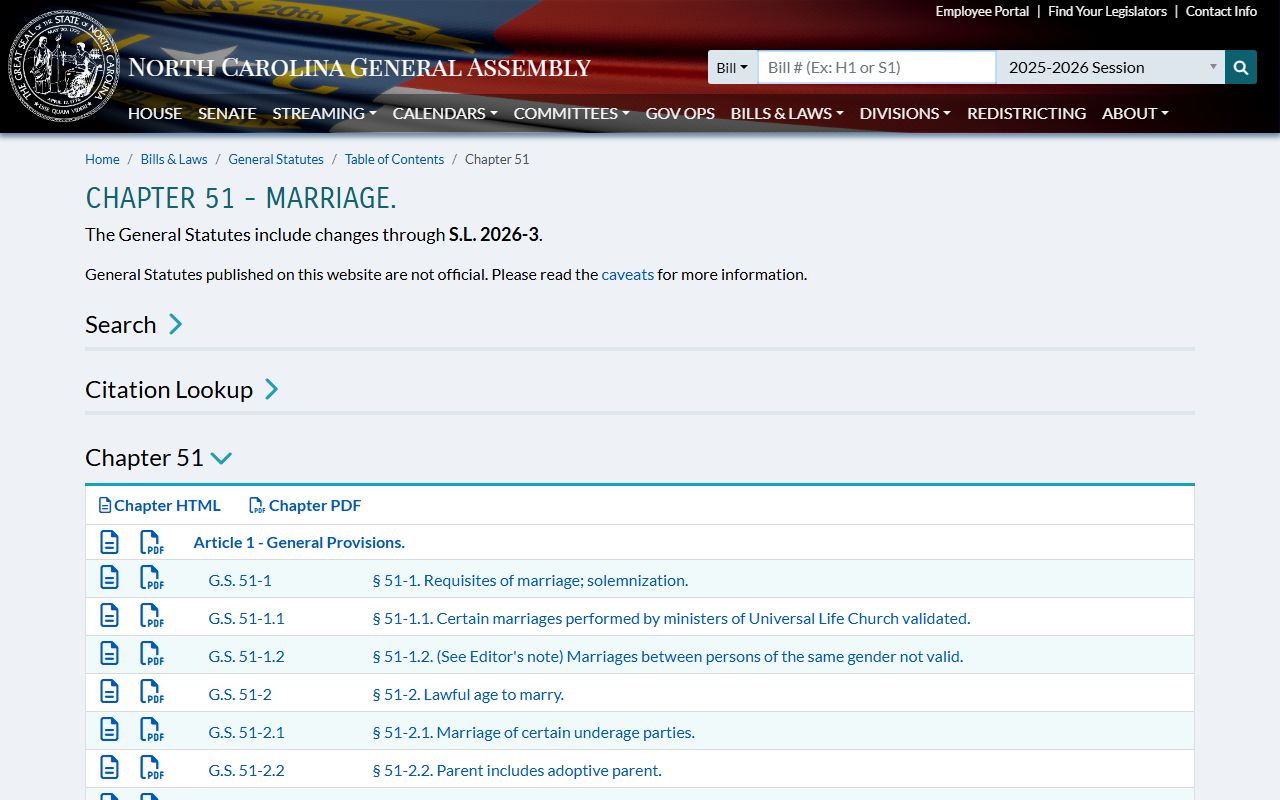
Separating clerk records from Register of Deeds records avoids delays and keeps requests with the proper custodian.
Forms, Filing, and Probate
For court forms and online services, the Judicial Branch service path includes Portal, File & Serve, Guide & File, interpreter requests, disability accommodation, and public-record request routing. Probate work is still a clerk function in Beaufort County. The clerk acts as probate judge, issues letters when estate requirements are met, and handles estate case records. A contested will caveat moves to a Superior Court judge, so the clerk page and the Beaufort County probate records page should be read as connected but not identical.